
12 Habit-Stacking Ideas for Healthy Aging That Fit Real Life
Building a healthier routine does not require remaking your whole day. Habit stacking for healthy aging means attaching one small wellness action to something you already do consistently. The existing routine becomes a reminder, making the new behavior easier to begin and repeat.
The basic formula is:
After I [current routine], I will [small wellness action].
For example: “After I start the coffeemaker, I will drink a glass of water.” The goal is not a perfect streak. It is to give a useful action a reliable place in everyday life. The 12 ideas below offer practical starting points for movement, food and hydration, sleep, and connection.
Why connect habits to existing routines?
Research on habit formation in everyday life suggests that repeating a behavior in a consistent context can help it become more automatic over time. The process varies considerably between people; there is no universal number of days in which a habit must “stick.” Missing one opportunity does not erase your progress.
This approach complements a well-established behavior-change method called an implementation intention: deciding in advance when and where you will act. A specific cue—such as finishing breakfast—is usually more useful than a broad intention such as “I should move more.”
Habit stacking is a reminder strategy, not a medical treatment. Choose actions that fit your health, mobility, energy, medications, and clinician’s guidance.
Start with an anchor you can count on
An anchor is something that already happens on most days. It does not need to happen at the same clock time.
Possible anchors include:
- Getting out of bed
- Taking prescribed medicine
- Making tea or coffee
- Brushing your teeth
- Finishing a meal
- Feeding a pet
- Turning on the evening news
- Plugging in your phone at night
Choose an anchor that is stable in your life. If weekdays and weekends look different, you may need a separate cue for each.
Make the new action almost too easy
Start with a version you can do on an ordinary day, including a busy or low-energy one. You can expand it later.
Instead of “exercise every morning,” try:
- “After I put on my shoes, I will walk for two minutes.”
- “After I brush my teeth, I will do five supported heel raises.”
- “After lunch, I will stand and stretch in a comfortable range.”
Federal physical activity guidance for older adults recommends working toward a mix of aerobic, muscle-strengthening, and balance activities, while emphasizing that some activity is better than none. A small stack can be an entry point, not the final destination.
If standing exercise is not suitable, the action might be seated marching, gentle hand exercises, a breathing practice, or movements recommended by a physical therapist. Stop and seek appropriate medical advice if an activity causes chest pain, faintness, unusual shortness of breath, or concerning pain.
12 habit-stacking ideas for healthy aging
Movement
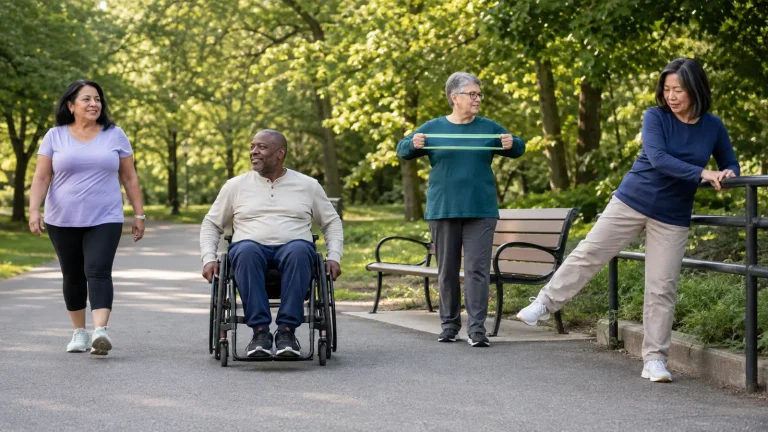
- Add one minute of comfortable movement. After using the bathroom in the morning, move gently for one minute.
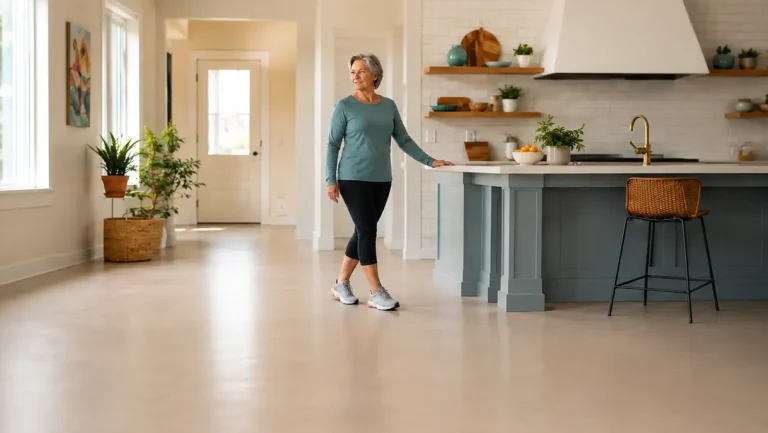
- Take a short after-lunch walk. After clearing your lunch plate, walk to the end of the hall and back.
- Practice one supported chair stand. After turning on the television, stand up once from a sturdy chair, if safe for you.
Use a stable chair or counter for support when needed, and keep mobility aids within reach. If you have fallen recently or feel unsteady, ask a qualified health professional which balance activities are appropriate.
For a broader foundation, explore this beginner exercise guide after 50, which connects strength, walking, mobility, and balance.

Food and hydration
- Prepare water for later. After pouring your morning drink, fill a water bottle to keep nearby.
- Add one fruit or vegetable. After making a sandwich, add an option that fits your budget and preferences.
- Put protein on the shopping list. After writing your usual list, add one convenient protein-rich food.
Healthy eating patterns can be built from fresh, frozen, canned, dried, or culturally familiar foods. Look for changes that are affordable and enjoyable rather than chasing a “perfect” menu. People with fluid restrictions, swallowing difficulties, kidney disease, diabetes, or other nutrition-related conditions should follow individualized clinical advice.
For flexible ideas using familiar foods, see how to build everyday meals for strength and energy after 50.
Sleep and winding down
- Dim one light at bedtime. After plugging in your phone, lower one light to help signal that the day is winding down.
- Prepare tomorrow’s medications safely. After brushing your teeth at night, organize medications as directed and only if they can be stored safely.
- Take three comfortable breaths. After getting into bed, pause for three slow breaths.
Consistent sleep and wake times can support healthy sleep. If insomnia, loud snoring, pauses in breathing, or daytime sleepiness persists, discuss it with a healthcare professional rather than relying only on a bedtime habit.
For a deeper look at realistic rest routines, read Sleep and Recovery After 50.
Connection and emotional well-being
- Send one message after Sunday breakfast. Reach out to someone you care about with a short note or greeting.
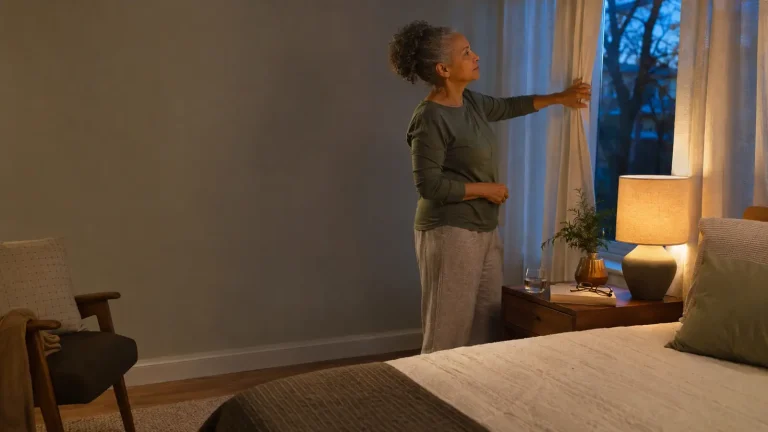
- Name one thing you anticipate. After opening the curtains, identify one thing you are looking forward to.
- Plan one chance for connection. After checking the calendar, choose one opportunity for conversation or community during the week.
Connection can happen in person, by phone, online, through faith or cultural communities, or while volunteering. Choose a form that feels safe and accessible.
For more ideas that connect relationships with whole-person well-being, explore Brain Health Habits After 50.
Build one stack in five steps
- Pick one area. Choose a change that matters to you—not one you feel pressured to make.
- Name a dependable anchor. Use an event rather than a vague time whenever possible.
- Shrink the action. Make the first version take about two minutes or less.
- Prepare the setting. Put the water cup, walking shoes, resistance band, pill organizer, or reminder note where the action occurs.
- Repeat and review. Try the stack for a week or two, then adjust the cue or action if it is not fitting naturally.
A useful plan is specific: “After breakfast, I will walk inside for two minutes.” A harder-to-follow plan is abstract: “I will be healthier.”
What if the stack keeps breaking?
Treat a missed habit as information, not failure. Ask:
- Did the anchor actually happen?
- Was the action too large for a typical day?
- Were supplies or equipment out of reach?
- Did pain, fatigue, caregiving, work, cost, or transportation get in the way?
- Would a different time, location, or version work better?
You can create a minimum version for difficult days: one stretch instead of five, a lap around the room instead of a longer walk, or one text message instead of a lengthy call. The small version keeps the cue-action connection alive while respecting changing capacity.
Avoid adding several stacks at once. Practice one until it feels familiar, then decide whether another would genuinely help. More habits are not automatically better.
A flexible example
Suppose you want to become more active but mornings are unpredictable. Your first plan might be:
After I put my lunch plate in the sink, I will walk for two minutes at a comfortable pace.
If lunch varies, the anchor can still work because it depends on an event rather than noon. On a high-energy day, you may continue longer. On a difficult day, two minutes still counts. If walking is not accessible, substitute a suitable seated or supported activity.
After two weeks, review what happened. If the stack worked, keep it or expand gradually. If it did not, change the design: choose a more reliable anchor, shorten the action, or remove an obstacle. That is problem-solving, not starting over.
The takeaway
Healthy aging is supported by patterns practiced over time, not dramatic overnight change. Attach one personally meaningful action to a routine that already exists, make it small enough for real life, and adapt it without judgment. A habit that respects your body and circumstances is far more useful than an ambitious plan you cannot sustain.
Choose one dependable anchor and one two-minute action today. That is enough to begin.
Discover more from Your Whole Body Transformation
Subscribe to get the latest posts sent to your email.