
Brain Health Habits After 50: A Practical, Whole-Person Approach
Brain health habits after 50 do not need to be dramatic, expensive, or perfect. Everyday choices around movement, sleep, food, learning, relationships, stress, and preventive care can support your overall health—and many of the same habits are relevant to cognitive health.
That does not mean any routine can guarantee that you will prevent dementia or never experience memory changes. Brain health is shaped by many factors, including age, genetics, medical conditions, medications, access to care, and circumstances you cannot fully control. The useful goal is not certainty. It is to build a few realistic habits that support you now while staying alert to changes that deserve professional attention.
Start with movement you can repeat

Regular physical activity supports cardiovascular and whole-body health. Because the brain depends on a healthy blood supply, caring for your heart and blood vessels is also part of caring for your brain. The National Institute on Aging includes physical activity among the steps people can take to support cognitive health, while carefully noting that researchers are still studying which specific approaches may reduce cognitive decline.
Choose movement that suits your current abilities, health, environment, and interests. Walking, water exercise, cycling, dancing, gardening, active household tasks, chair-based movement, and structured exercise can all be options. If a long session feels unrealistic, begin with a few comfortable minutes and build from there.
Population guidelines are useful direction, not an individualized prescription. The CDC advises adults to work toward a mix of aerobic and muscle-strengthening activity, and its older-adult guidance also emphasizes balance and matching activity to your abilities. If you have been inactive, have balance concerns, or live with a condition that affects exercise, ask an appropriate healthcare professional what is suitable for you.
Protect sleep without demanding perfection
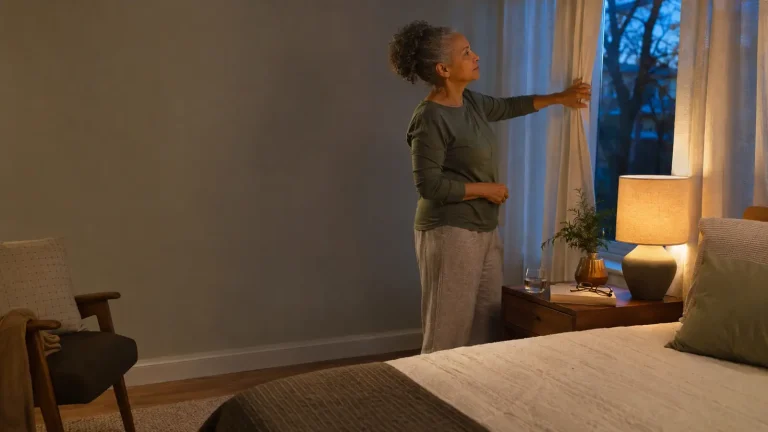
Sleep supports attention, learning, mood, and day-to-day functioning. A difficult night does not mean you have harmed your brain, and worrying about perfect sleep can create more pressure. Look instead for a pattern you can support most nights.
Helpful steps may include:
- keeping wake and sleep times reasonably consistent;
- making the bedroom dark, quiet, and comfortable when possible;
- using a calming wind-down routine;
- limiting late caffeine if it disrupts your sleep;
- getting daylight and movement during the day; and
- discussing persistent sleep problems rather than simply enduring them.
Loud snoring, gasping during sleep, ongoing insomnia, unusual daytime sleepiness, or a major change in sleep deserves professional attention. Sleep disorders and medication effects require individual assessment; they are not problems you need to solve through willpower.
Build meals around an overall pattern
No single food, supplement, or “brain” ingredient can guarantee cognitive protection. A more grounded approach is to build an eating pattern that supports cardiovascular and metabolic health and provides varied nutrients.
That might mean including vegetables and fruit, beans or lentils, whole grains, nuts or seeds, fish or other protein foods, and unsaturated fats in ways that fit your culture, budget, preferences, and medical needs. Frozen and canned foods can be practical choices. Familiar meals count; you do not need a specialty diet or expensive products.
Start with one meal you eat often. You might add a vegetable to soup, include berries or another fruit with breakfast, swap in beans for part of the meat in a familiar dish, or keep nuts available if they are safe for you. The Dietary Guidelines for Americans offers population-level guidance on varied, nutrient-dense eating patterns, but your needs may differ if you have diabetes, kidney disease, swallowing difficulties, food allergies, medication interactions, or another relevant condition. A registered dietitian or healthcare professional can help you adapt general guidance.
Be cautious with supplement claims. “Natural” does not mean risk-free, supplements can interact with medicines, and marketing language is not evidence that a product prevents memory loss. Discuss supplements with a qualified professional who knows your health history and medications.
Give your mind meaningful work
Mental stimulation does not have to look like a commercial brain-training program. Learning and attention can be part of ordinary life: reading, playing music, learning a language, taking a class, practicing a craft, doing puzzles you enjoy, navigating a new route, or learning to use a new device.
Choose activities that are interesting enough to return to and challenging without being discouraging. You might practice for ten minutes, join a class, or ask someone to learn alongside you. The National Institute on Aging notes that cognitive training and meaningful activities are active areas of research. It is more accurate to describe them as engaging ways to use your abilities than as proven protection against dementia.
Make room for social connection
Connection can support emotional well-being and make healthy routines easier to sustain. It can also provide practical help and give other people a chance to notice changes you may overlook.
Social connection is personal. A large group is not automatically better than one dependable relationship. Consider a regular phone call, a walking partner, a faith or community group, volunteering, a class, a hobby club, a caregiver group, or time with neighbors and family. If hearing, vision, mobility, transportation, caregiving, or anxiety makes connection difficult, look for adaptations rather than blaming yourself. Remote contact can still be meaningful.
The U.S. Surgeon General’s advisory on social connection describes social connection as an important public-health issue. It does not mean loneliness is a personal failure or that socializing guarantees a particular cognitive outcome.
Use stress-management tools that fit real life
Stress is not something you can—or need to—eliminate completely. Caregiving, health concerns, grief, money, work, discrimination, and family responsibilities are real pressures. A sustainable stress practice should help you respond, not imply that you caused the circumstances.
Try a small menu rather than relying on one perfect technique:
- take a slow breathing pause;
- step outside or change rooms;
- write down the next manageable action;
- move your body in a comfortable way;
- contact someone supportive;
- protect a short period without news or notifications; or
- ask for practical or professional help.
Persistent anxiety, low mood, trauma symptoms, substance concerns, or stress that is affecting daily life deserves qualified support. Mental healthcare is part of whole-person healthcare.
Keep preventive care in the picture
Some health conditions that affect the heart and blood vessels are also relevant to cognitive health. Regular care can help you understand and manage issues such as blood pressure, diabetes, cholesterol, hearing or vision changes, and medication side effects according to your individual needs.
Bring an up-to-date medication and supplement list to appointments. Ask whether any medicine could affect alertness, sleep, balance, or memory, but do not stop prescribed medication on your own. Hearing and vision support may also make communication, learning, activity, and social participation easier.
Memory lapses are not automatically dementia. Still, talk with a healthcare professional if you or someone close to you notices new or worsening changes in memory, reasoning, language, judgment, personality, navigation, medication management, finances, or everyday tasks. Sudden confusion, weakness, facial drooping, trouble speaking, a severe new headache, or another possible stroke symptom requires urgent emergency evaluation.
Choose a seven-day starting plan
You do not need to start every brain health habit after 50 at once. Pick one action from two or three areas:
- Movement: Take a comfortable ten-minute walk or use an accessible movement alternative on three days.
- Sleep: Keep one consistent wake-time cue or create a short wind-down routine.
- Nutrition: Add one fruit, vegetable, bean, whole grain, or other nutrient-dense food to a familiar meal.
- Mental activity: Spend ten minutes learning or practicing something you genuinely enjoy.
- Connection: Schedule one call, visit, class, walk, or shared activity.
- Stress: Write down two calming or practical responses you can use on a difficult day.
- Care: Prepare one question or medication list for your next appropriate appointment.
Review the plan after a week. Keep what helped, make difficult steps smaller, and replace anything that did not fit. Sustainable habits are allowed to change with your energy, health, schedule, and season of life.
Brain health habits after 50 are not a test of discipline. They are an ongoing practice of supporting your body, mind, relationships, and access to care. A modest action you can repeat is more useful than an impressive plan you cannot live with.
This article provides general educational information, not individualized medical advice, diagnosis, or treatment. No lifestyle habit can guarantee prevention or cure of dementia. Seek appropriate professional guidance for new cognitive symptoms, sleep problems, mental-health concerns, medication questions, nutrition needs, or exercise safety. Seek emergency care for sudden neurological symptoms.
Discover more from Your Whole Body Transformation
Subscribe to get the latest posts sent to your email.